Indian Interior Design: Where Heritage Meets the Modern Home

Indian homes have the inherent character of being personal. They are not only residences, but they also speak a language of colours, artistic expressions, and memories that come down from generation to generation. The fragrance of the incense burning around the brass statue, the handmade Dhurrie rug, and the feeling of pride at seeing a wood carving on the door are some elements that make Indian interior decoration distinctive.
Indian interior design is about creating a space that pays tribute to one's roots while keeping pace with the present. Indian interior designs have come a long way from royal palace designs to contemporary, urban apartment designs, without losing their essence at all.
In this article, we will cover the fundamental elements of Indian interior design, popular styles, room-specific design tips for inspiration, emerging trends, and much more!
What Is Indian Interior Design?
It is an epitome of India's diversity. India is not one design philosophy, but many. From the light-coloured havelis of Rajasthan to the dark teak interior decorations of Kerala, from the bare whitewashed houses of Goa to the elaborate royal houses of Mumbai, each tells its own story.
What unites all these aspects, however, is the philosophy of design: spaces have to be made vibrant. Layers upon layers of texture. Colours talking to colours. Each object has meaning beyond its functional value, and thus, the copper pot is more than just a container; it also has spiritual value. In a similar manner, so does the jharokha.
Indian Interior Design Ideas thus borrow from this extensive vocabulary to create spaces that are not only visually appealing but also intensely personal.
Core Elements of Indian Traditional Interior Design
Colours
The Indian colour scheme is vibrant. Saffron, indigo, emerald green, turmeric yellow and deep red share space with terracottas and ochres. This is more than decoration; these are culturally significant hues used to make a statement about the interior.
Handcrafted Furniture
Carved from sheesham, teak, or mango wood, Indian furniture combines strength and beauty. Low chairs, carved divans and intricate cabinets are part of a long-standing tradition of excellent joinery.
Textiles
Textiles have a place in all Indian interiors. Block-printed cottons, Banarasi silks, Kantha quilts, and Ikat cushion fabrics add pattern and texture to each interior layer, a feature of Indian Traditional Interior Design.
Décor and Accents
Decorations that are common in an Indian household range from brass lanterns, terracotta pots, Madhubani or Warli paintings, to hand-painted ceramic pottery. Each of these objects tells a tale in its own right.
Vastu and Spirituality
Vastu Shastra, the ancient Indian science of spatial planning, is quietly influential on Indian Traditional Interior Design. Rooms oriented to the cardinal directions, a pooja space, and abundant use of natural light are aspects of Vastu Shastra.
Popular Indian Interior Design Styles
Indian Interior Design Styles are varied and complex. There are several styles to choose from depending on the sensibility and way of life.
Traditional Indian Style: This is a heavily decorated style characterised by luxurious furniture, fabrics, and artefacts from Indian culture. This style is best for those who want their stories told through the interior design.
Modern Indian Style: An evolved style that uses neutral colours and incorporates Indian elements into it, but doesn’t include too many decorative items.
Contemporary Indian Style: A perfect fusion of contemporary interior design ideas from all over the world and traditional Indian craftsmanship.
Bohemian Indian Style: A lavish and maximalist design with layering elements that add to its charm.
Eclectic Indian Style: This style includes mixing Indian craftsmanship with anything else you fancy and using your intuition and knowledge about design.
Indian Interior Design Ideas for Every Room
Living Room
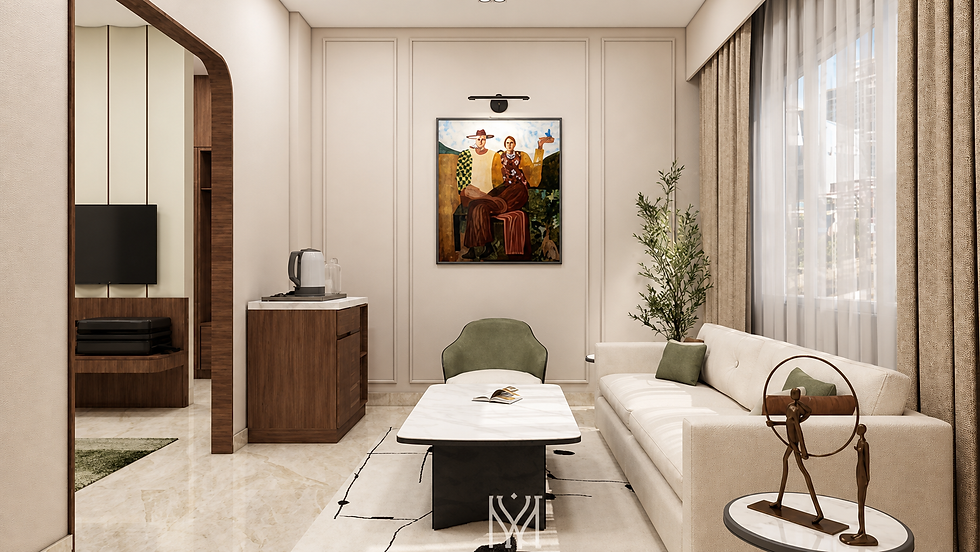
Begin with either a hand-woven carpet or a dhurrie, which will give you a more earthy feel. Use a carved wooden console table or arrange your furniture in such a way that it uses floor cushions. Jali wall panels or miniature paintings will bring the culture to your living room right away.
Bedroom
Go for an Indian bed that is hand-carved with little details, and adorn the bed with cotton or silk bedsheets that have block prints. Brass or copper lamps on side tables will bring in warmth. An art mural or a piece of tribal artwork on one of the walls will give your bedroom a well-thought-out look.
Kitchen
Indian interior design ideas for kitchens incorporate both functionality and heritage seamlessly. You can install open shelves that showcase copper or brass cooking ware and use terracotta pots for storage. Subway tiles in the backsplash area with a hand-painted border tile will make the kitchen look chic.
Pooja Room
For Indians, the pooja room is their place of worship. Keep the pooja room peaceful in either white marble or wooden tones, as these are essential to create a mandir, along with the use of brass lamps, flower decorations, and subtle lights. This should be a calm area rather than one filled with objects and distractions.

Modern Indian Home Interior Design Approach
Modern urban Indian homes have come up with some new requirements. Smaller families, tighter living spaces, and fast-paced living styles are just some of these changes. Indian Home Interior Designing has responded to this.
The contemporary method begins with a neutral colour palette of soft whites, tans, and greys that can accommodate ethnic design elements in moderation. One wall in indigo. An old jharokha transformed into a mirror frame. Sleek furniture pieces adorned with hand-woven fabrics. Clever storage spaces camouflaged within carved wood panels.
This is not a compromise made by the culture, but rather an intelligent adaptation of it. The culture still holds significance, but it is selected carefully.
Materials Used in Indian Interiors
The interior design in India has a strong foundation in natural and real materials. Teak, sheesham, and mango woods are extensively used in the creation of furniture. Marble and stone flooring are prevalent in homes that are designed in both traditional and modern settings.
Naturally made materials such as cotton, silk, jute, and wool are greatly favoured over man-made fibres when it comes to fabrics. This is not merely a matter of style but more of practicality in a country that boasts various weather conditions.
Latest Trends in Indian Interior Design (2026)
The future of Indian interior design in 2026 is looking promising as a result of global influences and native pride.
Green Interior Design: Recycled woods, low-VOC paints, and handmade furnishings are becoming popular among home designers who want to match their decor to their sustainability beliefs.
Fusion Design Style: Global interior design philosophies from Japan’s wabi-sabi concept to Morocco’s maximalism trend are being applied in India, blending the world and its culture.
One Showstopper: A single, symbolic element like a huge brass sculpture, a homemade rug, or a commissioned artwork is replacing numerous little things in the house.
Traditional + Technology: Automated lights hidden in carved wooden panels, speakers in wooden cabinets, and climate controls coupled with natural ventilation are combining the newest technologies and traditional styles.
Why Indian Interior Design Is Unique
Not many interior design philosophies throughout the world have such profound emotional significance as Indian interiors. A space is not only designed; it is lived in purposefully. An object is not merely decorative; it holds significance and sometimes even divinity.
This is also an extremely versatile design concept. It could be understated or lively, simple or elaborate, urbane or natural. It changes according to the demands of the times but always retains its identity. This ability to change and evolve without losing its identity is what gives Indian interior design its universal relevance.
Conclusion
Indian interior design is no trend. Rather, it is an evolving art form that never fails to impress, motivate, and comfort us in equal measures. Some of the best Indian interior designs of today do not need to choose between tradition and modernity. They carry both traditions with equal pride.
Whether you are creating a lavish villa or an apartment in a bustling city, the basic elements stay constant. Honour your heritage, value the strength of craftsmanship, add layers, and ensure your home reflects who you really are. That is exactly the type of help that MWMspaces can offer to you!


Comments