Types of Interior Design | Complete Guide for 2026

Interior design requires more than selecting furniture and paint colours; it must create a space that reflects both personal style and practical needs, as well as comfortable areas.
Understanding different interior design styles is necessary because current trends and customer preferences continue to change across various projects that require home and commercial space design.
Different design styles create distinct narratives, ranging from modern minimalism to traditional design elements. The guide presents various interior design styles, along with their unique features, to help you select the ideal style for your interior space.
What Are Interior Design Styles?
Interior design styles refer to a set of visual and functional elements, including colour schemes, furniture, textures, and layouts, that establish the identity of a space. The styles establish a unified appearance that enables interior spaces to achieve both equilibrium and peacefulness throughout their design.
The present day showcases an extensive array of interior design styles that draw their origins from various cultural backgrounds, historical events, and the particular requirements of different social groups. Every design concept offers a suitable option for people who prefer either basic designs or opulent styles.
7 Types of Interior Design You Should Know
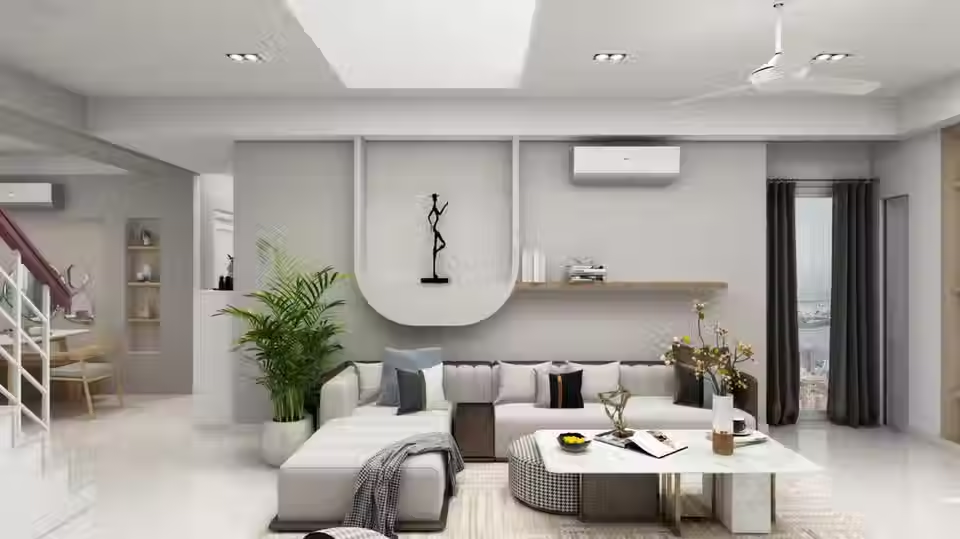
To simplify your understanding, here are the 7 types of interior design that dominate modern homes and commercial spaces.
1. Modern Interior Design
The style of interior design currently used is a blend of simplicity, clean lines, and functional design elements. This style of interior design came into use in the early 20th century and has remained in use to date due to its charm.
Main features:
Use of neutral colours like white, grey, and beige.
Simplicity and a clean look.
Use of materials like glass, steel, and metal.
Functional furniture with minimal detailing.
The style of interior design currently in use is a blend of simplicity and functional elements, along with clean and sophisticated detailing. This style of interior design can be used in city apartments, as it helps in maximising the use of space.
2. Contemporary Interior Design
However, contemporary design should not be confused with modern design, as it follows current fashion trends rather than a particular period in time. The style of design evolves over time, and this is because new ideas are incorporated into its framework.
Key features:
Neutral base with bold accents
Open spaces and natural light
Mix of textures and materials
Curved furniture and statement lighting
Contemporary design appeals to people who want to remain informed about new interior design trends.
3. Minimalist Interior Design
The principle of minimalism states that "less is more" because it restricts all elements to their most necessary functions. The system needs only its core functions to operate.
Key features:
Limited color palette
Decluttered spaces
Functional furniture only
Emphasis on natural light
Modern lifestyles find their perfect match in minimalist spaces, which create tranquil and serene atmospheres.
4. Traditional Interior Design
The European decorative styles derive their basis for beauty, which remains classical and beautiful in all periods. The design proves its artistic value through its intricate designs and symmetry, which give a sense of balance.
Key features:
Ornate furniture and woodwork
Warm colors
Elegant materials such as silk and velvet
Symmetry in design
This style portrays high-end sophistication, which interior designers use in both luxurious spaces and design spaces that are heritage-based.
5. Industrial Interior Design
The source of inspiration for industrial design comes from the structural components of industrial buildings and plants, which reflect the use of basic building materials.
Key features:
Exposed brick walls
A combination of metal and wood
Exposed ceilings and ducts
Use of neutral colours with rugged textures
The Original industrial design has a bold look, which suits a contemporary urban apartment and an artistic office environment.
6. Scandinavian Interior Design
Scandinavian design combines minimalism with comfort, focusing on warmth and functionality.
Key features:
Light colors and natural materials
Cosy textures (throws, rugs)
Functional furniture
Bright and airy spaces
The interior design style has gained widespread popularity because of its easygoing nature and comfortable atmosphere.
7. Bohemian (Boho) Interior Design
Bohemian design is an open invitation to create, combining artistic elements with unconventional design.
Key features:
Vibrant colors and patterns
Layered textiles and rugs
Indoor plants and natural elements
Mix of global decor influences
Bohemian interior design enables people to showcase their personal style through artistic display.
Exploring More Types of Styles in Interior Design
Apart from the above, there are a few other types of interior design concepts, and they are gaining importance:
Mid-Century Modern: This style combines retro elements, minimalism, and natural shapes.
Rustic Design: This style uses natural materials to create a rustic look.
Farmhouse Style: This style creates a space that combines vintage elements.
Japanese Style: This style combines Japanese minimalism with Scandinavian comfort.
Coastal Style: This style creates a light and airy look, similar to a beach environment.
There are more than 20+ styles, and they are all different from one another.
How to Choose the Right Interior Design Style?

Selecting the right style depends on several factors:
1. Lifestyle Needs
Your daily routine decides your needs. The minimalist design works for people who have busy lives, while the traditional design works for formal spaces.
2. Space Availability
Scandinavian design and minimalist design work well in small apartments, but traditional design and industrial design work better in large homes.
3. Personal Preference
Your home needs to show your true self. Your choice between peaceful areas and energetic spaces shows your personal style.
4. Budget
The industrial and minimalist styles provide affordable options, but the traditional and luxury styles require customers to spend more money.
Why Understanding Types of Interior Design Matters?
Understanding different types of interior design helps one:
Make proper and informed decisions on interior design
Eliminate mismatching decor items
Ensure consistency in your interior space
Improve its functionality and aesthetics
It also helps interior designers communicate ideas effectively and work efficiently.
Conclusion on the Types of Interior Design
Interior design requires designers to create spaces that match their clients' needs instead of following current fashion trends. The various design styles, from modern minimalist to bohemian and traditional, give people different options to show their unique character.
The different types of interior design provide you with enough understanding to select the design style that matches your personal lifestyle, financial situation, and tastes. The appropriate design method enables you to transform any space into a visually pleasing area that provides people with comfortable feelings.
The MWM Spaces team works to develop designs that create personal experiences that maintain their usefulness and timeless quality.


Comments