How to Future-Proof Your Home Interiors for the Next 10 Years

There’s one unfortunate fact about home renovations: they become obsolete almost immediately after completion. Style evolves, families expand, and new working habits emerge, so those unique features no longer fit into the scheme of things and become outdated before you even know it.
Future-proofing is not about guessing what life in 2036 will be like; no one can do that. It’s about designing spaces resilient enough to weather the storms of change. And the good news is that while the philosophy of timeless interior design hasn’t changed all that much, it has evolved.
Why “Future-Proof” Doesn’t Mean “Guess the Trend”
Many homeowners think that future-proofing is trying to be as trendy as possible, keeping up with the latest and greatest in smart home gadgets, paint colours, and layout designs. The reality is that being trendy is the exact opposite of future-proofing because trends will always come and go. But quality construction, thoughtful design based on actual human needs, and good spatial planning will last forever.
What all homes that age well for ten years or more have in common is that they were designed using the following principles: they were designed for adaptability rather than for specific purposes; used materials that would last and withstand the test of time; and most importantly, left space for technological and physical changes to be made.
Minimalist Interior Design: Less Isn’t a Phase, It’s a Strategy
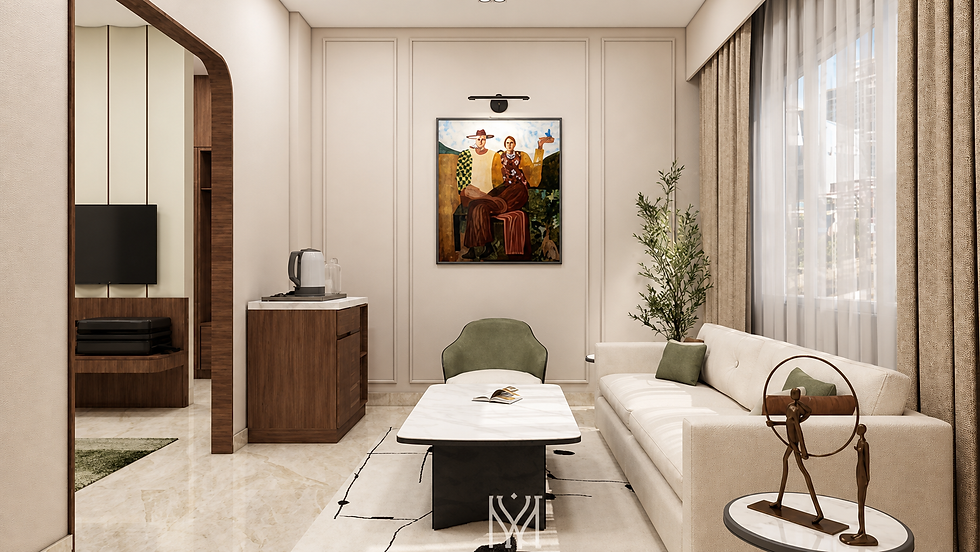
Among styles which show little tendency to ageing, the minimalist interior style should probably come first. However, this does not mean we are talking about minimalistic interiors devoid of all comfort features that prevailed in the past decade; quite the contrary, the current version of the style is a combination of simple forms, abundant space, and rich textures and materials with enough character features.
The ability of minimalist style to resist time is inherent in its basic principle: the fewer statement pieces there are in the room, the smaller the chance there is that anything could go wrong in the coming years. Earthy and neutral colors will stand the test of time better than any other trendy colors. Open and spacious rooms will be easier to furnish, update, and renew than those focused on a certain style.
This explains the popularity of minimalist home design in interior planning.

Build for Flexibility, Not Fixed Rooms
The biggest innovation in forward-thinking homes at present is the move away from fixed rooms designed for a specific purpose. A guest room which could never be anything else but a guest room is an under-utilized room. A living room which could easily turn into a workroom, a playroom or even a quiet nook for reading is a room that has been thought out to last years to come, not months.
Some practical ways of doing it:
• Furniture that would be modular and flexible enough to be rearranged depending on the need, rather than being fixed within a certain configuration forever.
• Walls which would be movable or partitions which could be taken apart, allowing you to create different rooms depending on the situation.
• Multi-purpose spaces such as a dining nook which has a secret work space, or a living room with built-in storage space that would quickly convert itself into a home office.
None of this means sacrificing style; rather, quite the opposite. If anything, it forces better interior design decisions, because every element has to earn its place functionally as well as visually.
Let Technology Support the Design, Not Define It
Technology is no longer just an expensive addition to the home; it’s almost expected in the modern home. However, the houses that will be able to keep up with the trends of 2036 are the ones that integrate this technology without making it a visible element.
This includes intelligent lighting that changes depending on the mood and tone, and doesn’t include a large panel of light switches; climate control depending on the space's usage; and integration of energy sources in the furniture and cabinets. This is technology that becomes old-fashioned only when it becomes invisible, and not technology that is flashy now and old-fashioned after a few years.
Choose Materials Like You’re Building for Someone Else’s Future, Too
Longevity is where sustainability and future-proofing come together. Choices like reclaimed wood, natural stone, low-VOC finishes, and handmade furniture are both sustainable options and products designed to last longer than anything trendy and mass-produced. Again, large windows and daylight-based designs accomplish two goals: cutting down reliance on energy now while designing a space that feels timeless instead of tied to the aesthetics of that moment’s lighting fixtures. In ten years, a room that centers around natural light and quality materials will still work. One centered around current fixtures probably won’t. The rule of good interior design: honesty never goes out of style.
How MWM Spaces Designs for the Next Decade, Not Just the Next Season
This approach is not entirely new for MWM Spaces; it is how the studio has designed interiors for over 14 years. All projects start with a careful analysis of existing living patterns and their possible evolution over the next few years, before anything is selected.
• Flexible spatial planning that foresees the multifunctional purpose of spaces, not only their current purpose.
• Custom-made furniture created by artisans and designed to last, not to fit fashion trends.
• Integration of smart home technologies into the concept right from the beginning.
• LAYOUTS inspired by biophilic and daylight-first principles to ensure that interiors stay fresh irrespective of colour trends.
• A minimalistic approach to interior design that changes with the evolving tastes of the homeowner, one of the main characteristics of minimalist home design.
With more than 500 projects designed and implemented in 15+ cities, MWM Spaces has gained extensive experience in identifying which decisions will work well over time and which won't.
The Real Definition of Future-Proof
A future-proof house is not one that won't change, but one that is easy to change where the structure is flexible enough, the materials are honest enough, and the layout is spacious enough that a decade of life can unfold within its walls without requiring a complete redesign to accommodate the times.
This is the subtle strength of interior design done right; it does not have to anticipate the future. It only has to make room for it.


Comments